

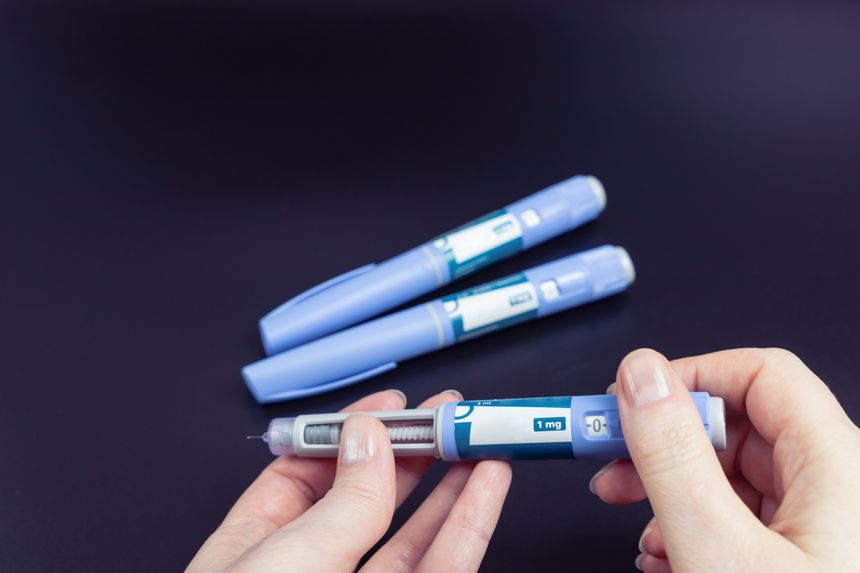
Novo Nordisk is currently struggling to stem the flow of its haemorrhaging share price. The rationale seems to be that it is entering a difficult phase of forced price reductions, slower growth, pipeline limitations, and intense competitive pressure. Although the withdrawal of the Hims & Hers copycat product offers short‑term relief, the company’s ability to defend market share and margins is increasingly uncertain.
Whilst registered monopoly rights (such as patents) are a useful tool for batting off potential competition (see previous article on that point: here), company owner’s need to beware the ‘Dragon’s Den fallacy’ that this asset alone will provide longevity for a business. These IP assets need to be paired with developing the business to be able to withstand the ultimate demise of a monopoly right.
Businesses need to ensure that adequate resource is devoted to further product development, establishing a market-facing brand, and caring for strong relationships with key partners (e.g. distributors and suppliers).
Continued R&D and / or product development doesn’t mean that one has to develop the next ‘market-sweeping product’ at all times. The business plan just needs to be commercially resilient enough to reassure investors and shareholders (and valuable employees!) that the company is stable.
For example, Novo Nordisk could try to approach the generic manufacturers to ‘sell’ them their confidential know-how of the tweaks / practical adjustments / valuable learnings they had from their development and sale of Ozempic and Wegovy (as developed beyond the scope of the patents) for a small cut of the royalties.
Whether that negotiation was successful or not, Novo should probably keep the price of their products high, where possible (i.e. in countries where unwitting supreme leaders aren't making outlandish economical decisions on the hoof!). This provides a ‘reassuringly expensive’ approach of their well-known brands (and, if the negotiation with the generics is successful, enables them a cut of the market on both ends).
If this were a radio station I would now ask you to call in to let me know whether you still buy Panadol because it’s a brand you trust, or whether you are happy to buy the supermarket branded generics at a fraction of the price.
In any event, do get in touch if you want to discuss how IP assets (and their longevity) sit within your business plan.
/Passle/68ee0ab18676b883b68d6972/SearchServiceImages/2026-06-29-14-51-07-348-6a42865b552d01bbbf797614.jpg)
/Passle/68ee0ab18676b883b68d6972/SearchServiceImages/2026-06-08-17-35-27-995-6a26fd5fe92742e48e74bc43.jpg)
/Passle/68ee0ab18676b883b68d6972/SearchServiceImages/2026-05-18-08-57-50-870-6a0ad48ef528c5a59d803d7b.jpg)
/Passle/68ee0ab18676b883b68d6972/SearchServiceImages/2026-03-25-13-39-34-732-69c3e596fb2867a5398d43ce.jpg)